Hiking in Lahemaa National Park: Estonia’s Ultimate Outdoor Adventure Guide
June 24, 2026/
Hiking in Lahemaa National Park: Estonia’s Ultimate Outdoor Adventure Guide
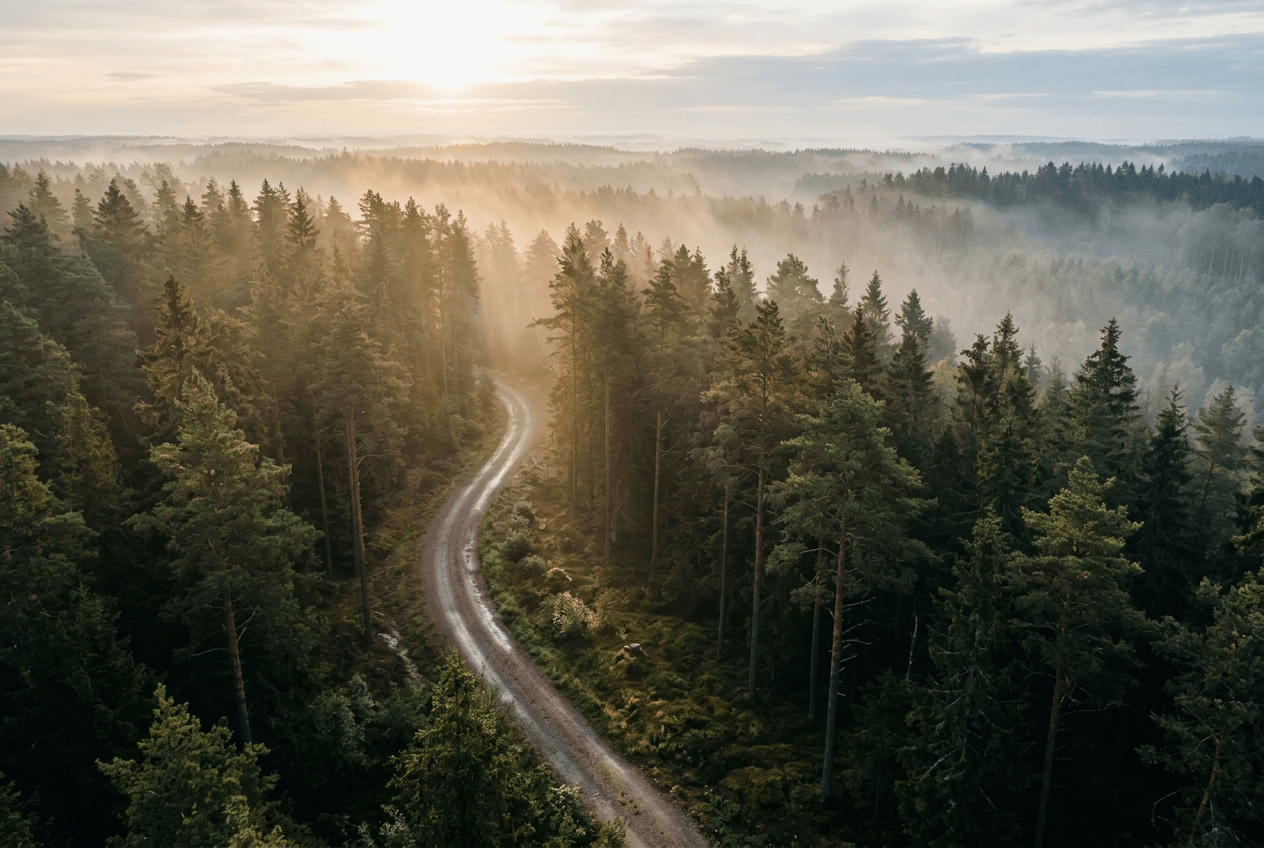
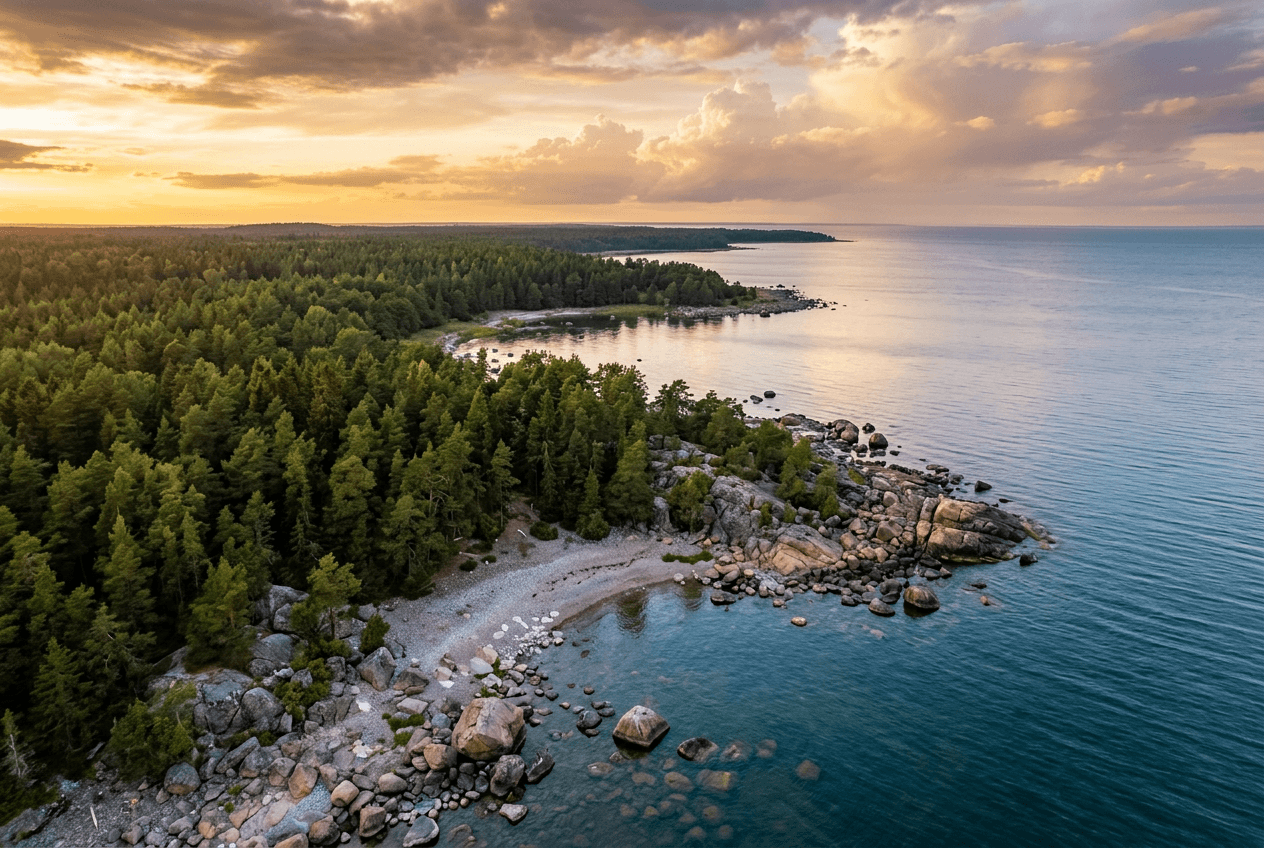
On Estonia’s north coast, less than an hour and a half from Tallinn, Lahemaa National Park protects a wild mix of bogs, pine forest, fishing villages, and rugged peninsulas along the Gulf of Finland. Established in 1971, it was the first national park in the entire Soviet Union, and today it remains the largest national park in Estonia at over 700 square kilometers.
This guide covers the best hiking trails in Lahemaa National Park, from the famous boardwalk across Viru Bog to quiet coastal paths through historic fishing villages, plus where to base yourself, which manor houses are worth a detour, and when to go. By the end, you’ll have everything needed to plan a day trip or weekend exploring one of the Baltics’ most rewarding outdoor destinations.
1. Getting to Lahemaa and Where to Base Yourself
Lahemaa sits roughly 70 kilometers east of Tallinn, making it an easy day trip, though staying overnight allows time to cover more than one trail.
Best Base Towns:
Võsu: A small seaside resort village with the park’s best concentration of guesthouses and cafés, within easy reach of Käsmu and Altja.
Viitna: A roadside hamlet on the Tallinn–Narva highway with a historic inn, useful as a quick stop or base for the Viru Bog trail.
Insider Tips:
– A rental car is by far the easiest way to reach Lahemaa’s scattered trailheads — public buses run along the highway but rarely reach the coastal villages.
– The RMK (State Forest Management Centre) visitor center at Palmse Manor has free trail maps and up-to-date boardwalk conditions.
– Mobile data coverage is reliable throughout the park, useful for following GPS trail markers.
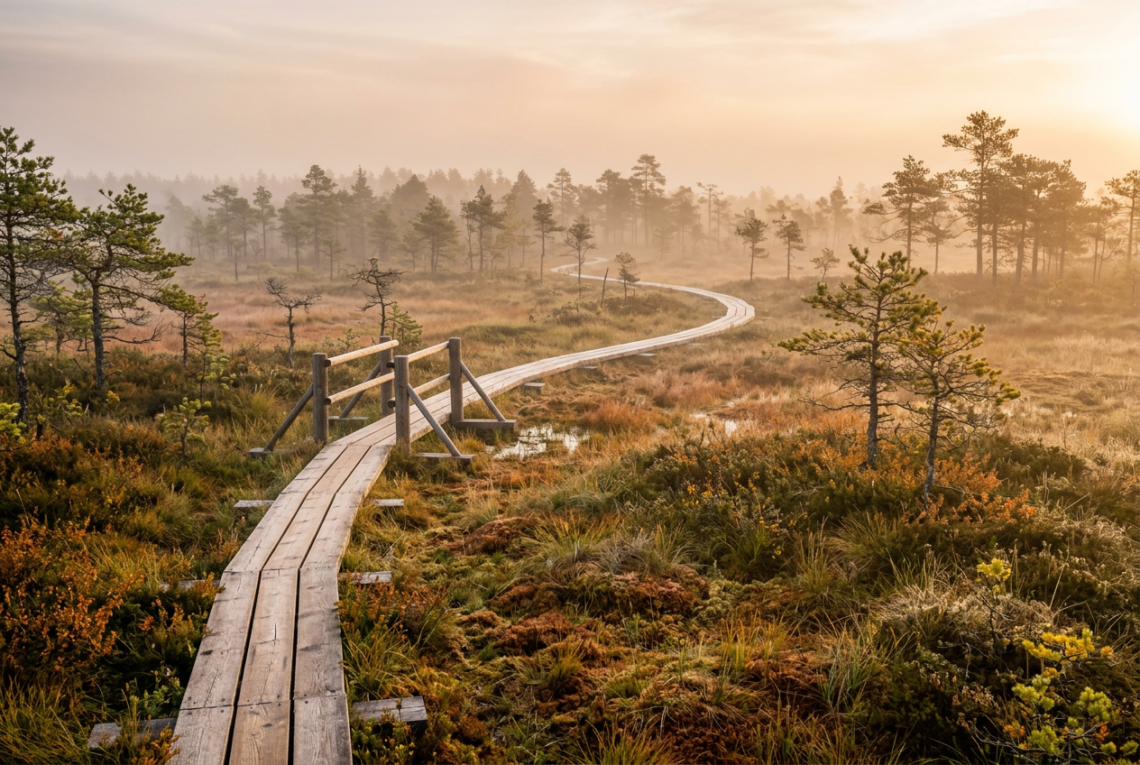
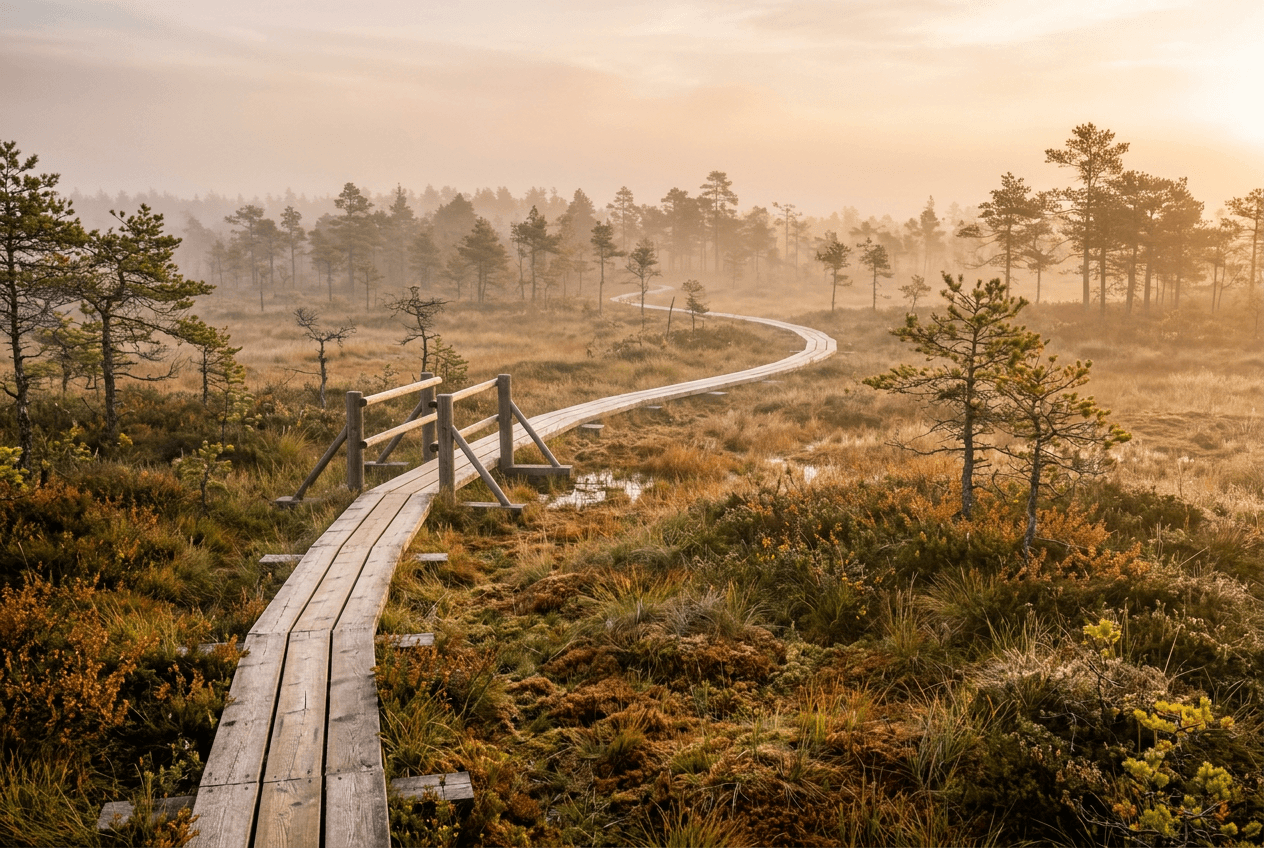
2. Viru Bog Trail: The Iconic Boardwalk Hike
No visit to Lahemaa is complete without walking the raised boardwalk across Viru Raba (Viru Bog), the park’s most photographed trail.
Trail Details:
Length: A 3.5-kilometer loop, easily completed in 1.5–2 hours at a relaxed pace.
Terrain: A wooden boardwalk over open peat bog, with a viewing tower partway round for panoramic views across the wetland.
Wildlife: Cranberry and sundew plants line the boardwalk, and cranes and other wading birds are commonly spotted at dawn and dusk.
Tip: Visit in early morning for the best light and the best chance of having the boardwalk to yourself before tour groups arrive.
3. The Oandu–Aaspere–Toolse Long-Distance Trail
For hikers wanting more distance, Lahemaa’s signature long trail cuts through forest, riverside meadow, and former collective-farm land.
Route Overview:
Total Length: 75 kilometers, divided into shorter day-sized sections starting and ending at marked RMK car parks.
Highlights: Old-growth spruce forest near Oandu, the Altja riverside meadows, and the ruins of the Toolse fortress at the trail’s northern end.
Difficulty: Mostly flat and well-marked, suitable for hikers of any fitness level tackling it in single-day stages.
Practical Tips:
– Lean shelters and basic campfire sites are spaced along the route for RMK’s free overnight camping system.
– Sections between Oandu and Altja are the most scenic and the easiest to reach without a full thru-hike.
– Trail markers use the RMK’s standard orange-and-white blazes, consistent with hiking trails across Estonia.
4. Coastal Walks Around the Käsmu Peninsula
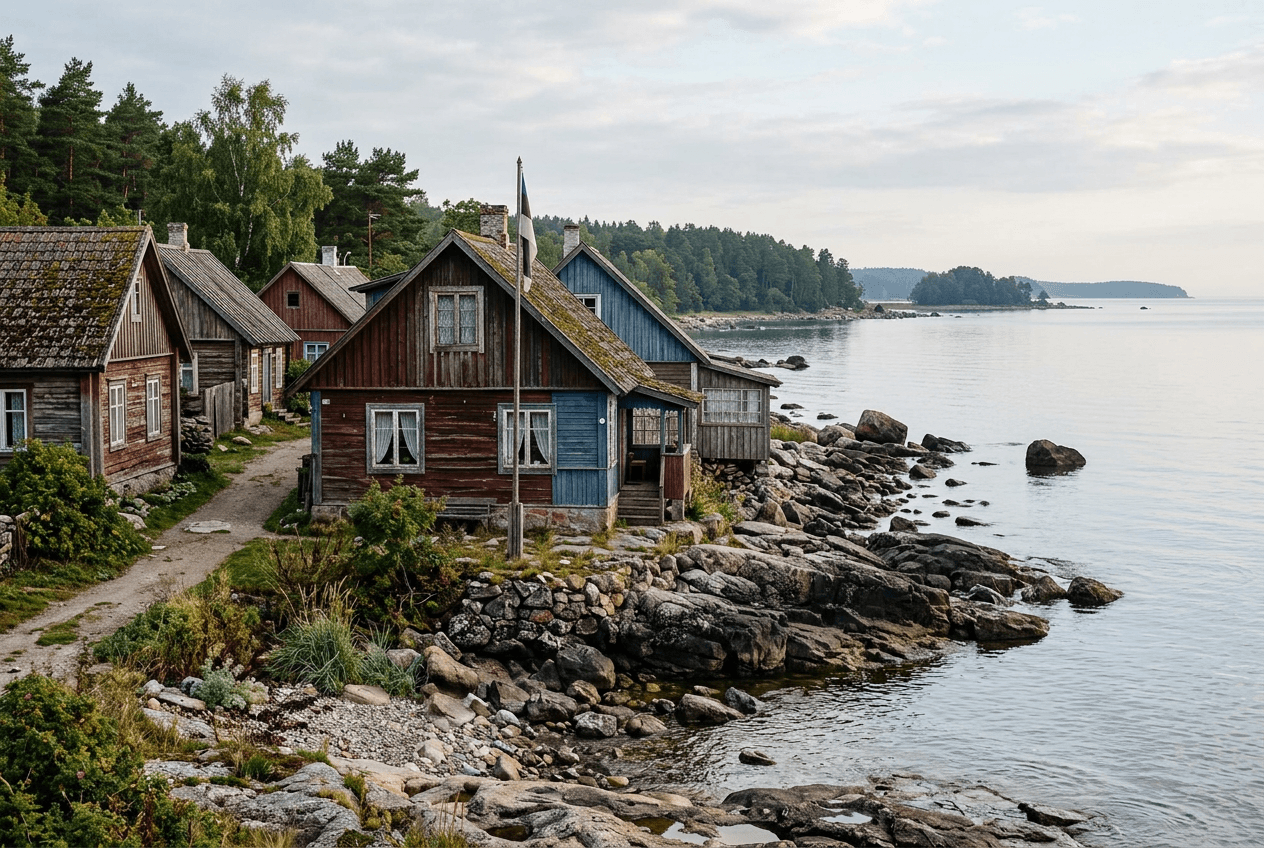
Known as Estonia’s “Captains’ Village,” Käsmu sits on a narrow peninsula lined with juniper, pine, and centuries of seafaring history.
Top Walks:
Käsmu Nature Trail: A 6-kilometer loop tracing the peninsula’s shoreline past old wooden sea-captain houses and pebble beaches.
Käsmu Maritime Museum: A small but well-loved museum on smuggling, shipbuilding, and the village’s seafaring past — a worthwhile stop along the trail.
Stone Beach (Kivirand): A shoreline scattered with smooth glacial stones, good for a quiet picnic stop.
Why Visit: Käsmu pairs easy, flat walking with genuine local history, making it one of Lahemaa’s most rewarding stops for travelers short on time.
5. Altja Fishing Village and the Majakivi Boulder
The tiny village of Altja preserves Lahemaa’s traditional coastal life almost untouched, with a scenic short trail connecting it to one of Estonia’s largest glacial boulders.
What to See:
Altja Village: Restored wooden net sheds, a traditional swing, and a 19th-century tavern serving Estonian comfort food right on the shore.
Majakivi Boulder: A massive erratic boulder deposited by glaciers, reachable via a short forest path from the village — one of the largest such stones in mainland Estonia.
Coastal Meadow Path: A flat, easy walk linking Altja to the Oandu–Aaspere–Toolse trail for hikers wanting to extend the route.
Tip: Time a visit around lunch to try the tavern’s herring or smoked fish, a fitting end to a short coastal walk.
6. The Beaver Trail at Kivinõmme
For something quieter and wilder, the Beaver Trail (Kobraste õpperada) near Vergi follows a stream reshaped almost entirely by its resident beaver population.
Trail Details:
Length: A short 1.5-kilometer loop, suitable for families and casual walkers.
Highlights: Beaver dams, gnawed tree stumps, and flooded forest clearings visible directly from the boardwalk.
Best Time: Dawn or dusk gives the best chance of spotting beavers themselves, though their handiwork is visible any time of day.
Why Visit: It’s one of the few trails in Lahemaa built specifically to showcase the park’s wildlife rather than its scenery, and it rarely sees crowds.
7. Historic Manor Houses Worth the Detour
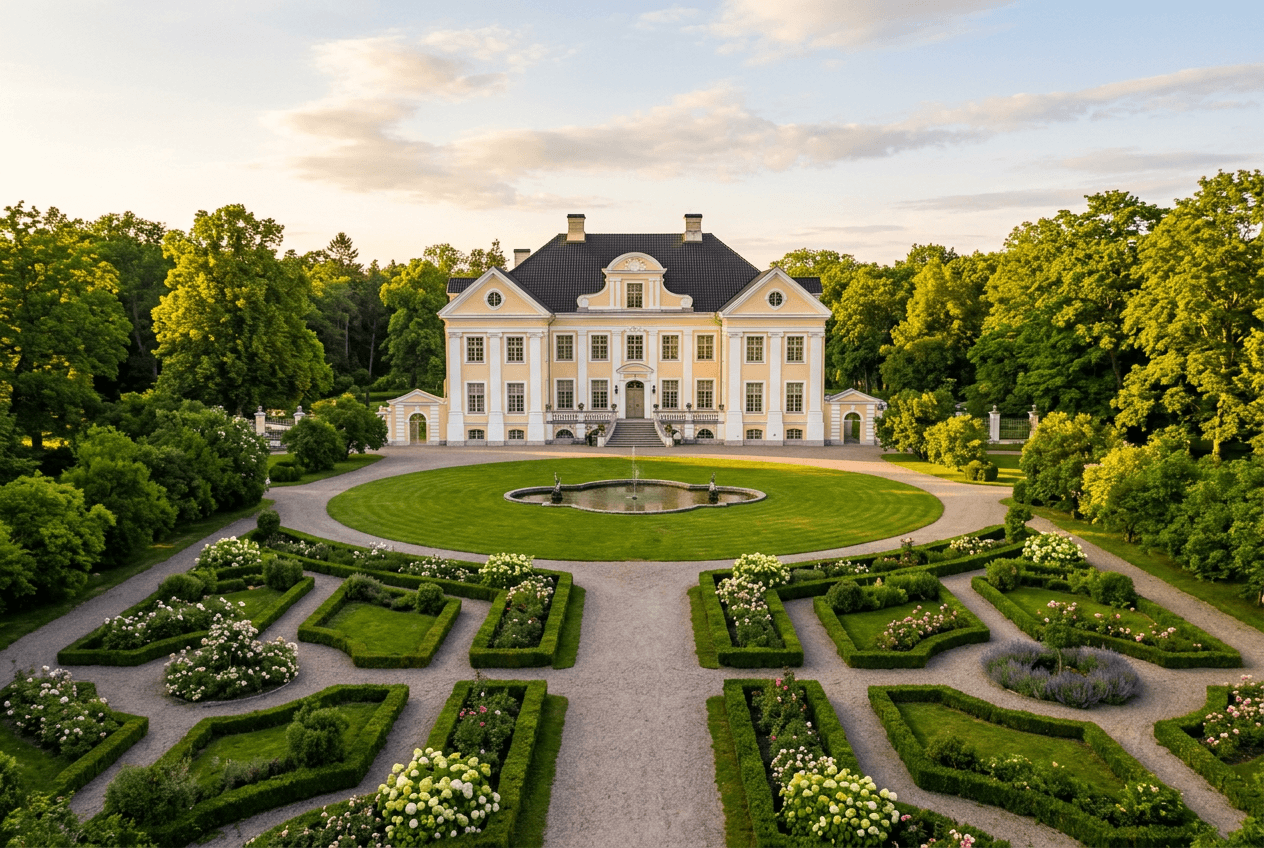
Lahemaa’s forests hide several restored Baltic-German manor estates, remnants of the region’s 18th- and 19th-century landed gentry.
Must-See Manors:
Palmse Manor: The park’s restored centerpiece, with a baroque main house, English-style landscaped grounds, and the main visitor center for trail information.
Sagadi Manor: Home to a forestry museum detailing Estonia’s timber heritage, set in a well-preserved manor courtyard.
Vihula Manor: Now a countryside hotel and spa, with grounds open to passing walkers and a working watermill on site.
Practical Tips:
– Palmse Manor’s grounds are free to wander; the manor house interior requires a small entrance fee.
– All three manors lie within a short drive of each other, making a manor-hopping detour easy between hikes.
– Sagadi’s museum is especially worthwhile for anyone curious about Estonia’s forestry-driven economy and landscape.
8. Pärispea Peninsula and the Northern Coast
The Pärispea Peninsula marks the northernmost point of mainland Estonia, a quiet finger of land jutting into the Gulf of Finland.
Highlights:
Coastal Path: A flat walking route along low cliffs and pebble shore, with views across the gulf toward Finland on clear days.
Juminda Peninsula: A neighboring finger of land with its own quiet beaches and a lighthouse marking the site of a major WWII naval battle.
Birdwatching: The exposed coastline attracts migratory seabirds in spring and autumn, drawing birdwatchers from across the Baltics.
Tip: These peninsulas see far fewer visitors than Käsmu or Altja, making them ideal for travelers wanting Lahemaa’s coastline without the crowds.
9. Practical Tips for Hiking Lahemaa
A little preparation goes a long way in Lahemaa’s mix of bog, forest, and exposed coastline.
Essentials:
Footwear: Waterproof boots are worth packing even for boardwalk trails, since approach paths are often muddy.
Insect Repellent: Mosquitoes can be persistent near the bogs and forest in midsummer.
Supplies: Stock up in Võsu or Viitna before heading out — trailheads have no shops or reliable food options.
Practical Tips:
– RMK trail maps and GPS tracks are available for free download before setting out.
– Cell signal is generally reliable, but download offline maps as a backup in remoter sections.
– Respect the bog boardwalks — stepping off them damages the fragile peat ecosystem and is discouraged by park rangers.
10. Best Time to Visit Lahemaa National Park
Lahemaa rewards visitors differently depending on the season, and timing your trip well makes a real difference.
Seasonal Guide:
Late Spring (May–June): Wildflowers bloom across the bogs and meadows, and migratory birds pass through in large numbers.
Summer (July–August): Long daylight hours and warm weather make this peak season, with the best access to guesthouses and tavern openings in Altja and Käsmu.
Autumn (September): Cranberries ripen across the bogs and forest colors turn, with noticeably fewer crowds on the trails.
Why It Matters: Winter hiking is possible on the boardwalks but the unpaved forest and coastal trails turn icy and are best left to well-equipped, experienced hikers.
Conclusion
Lahemaa National Park packs an outsized variety of landscapes into easy reach of Tallinn — raised bogs and viewing towers, restored manor estates, quiet fishing villages, and a long-distance trail running the length of the park. Whether you have just an afternoon for the Viru Bog boardwalk or a full weekend to combine coastal walks with manor visits, it’s one of the most accessible wild landscapes in the Baltics.
Ready to plan your hike? Pick a base in Võsu or Viitna, pack waterproof boots and insect repellent, and start with the Viru Bog boardwalk before working your way out along the coast to Käsmu and Altja — Estonia’s wildest national park is closer than you think.