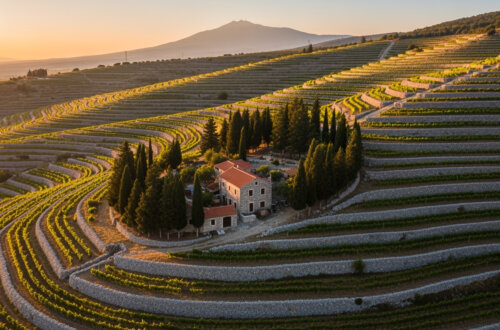
Wine Tasting in Rioja, Spain: The Ultimate Guide to Spain’s Most Famous Wine Region
June 23, 2026/
Wine Tasting in Rioja, Spain: The Ultimate Guide to Spain’s Most Famous Wine Region
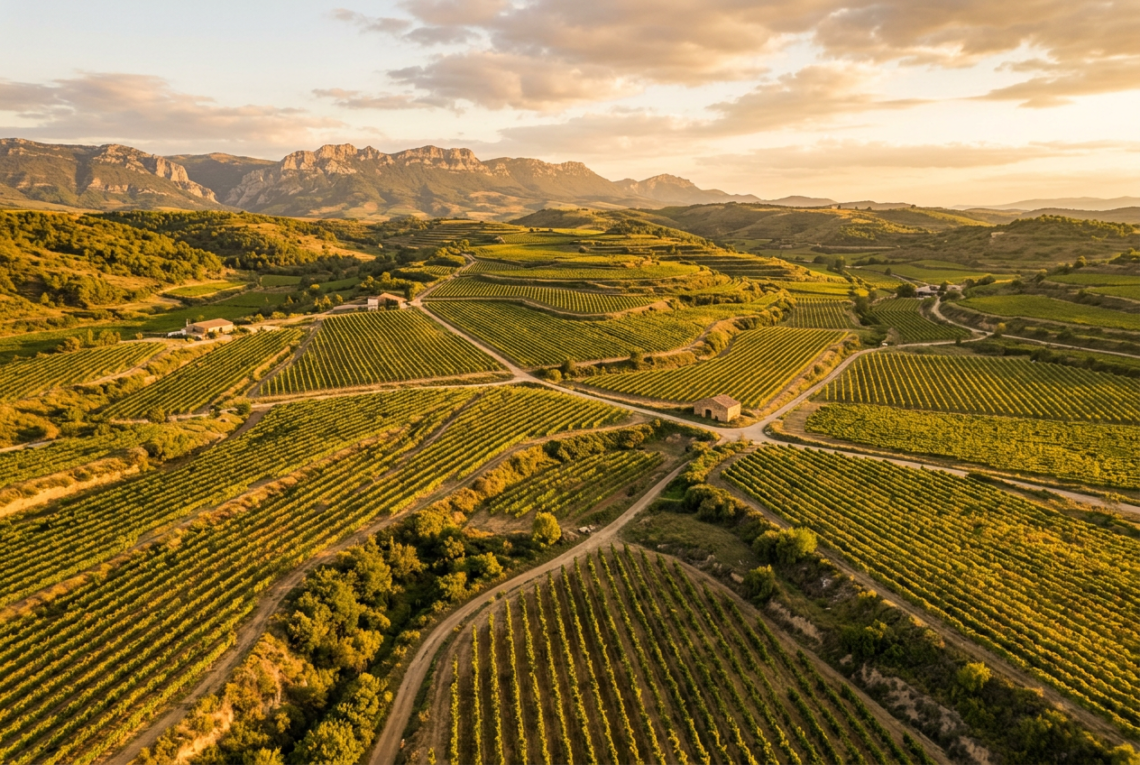
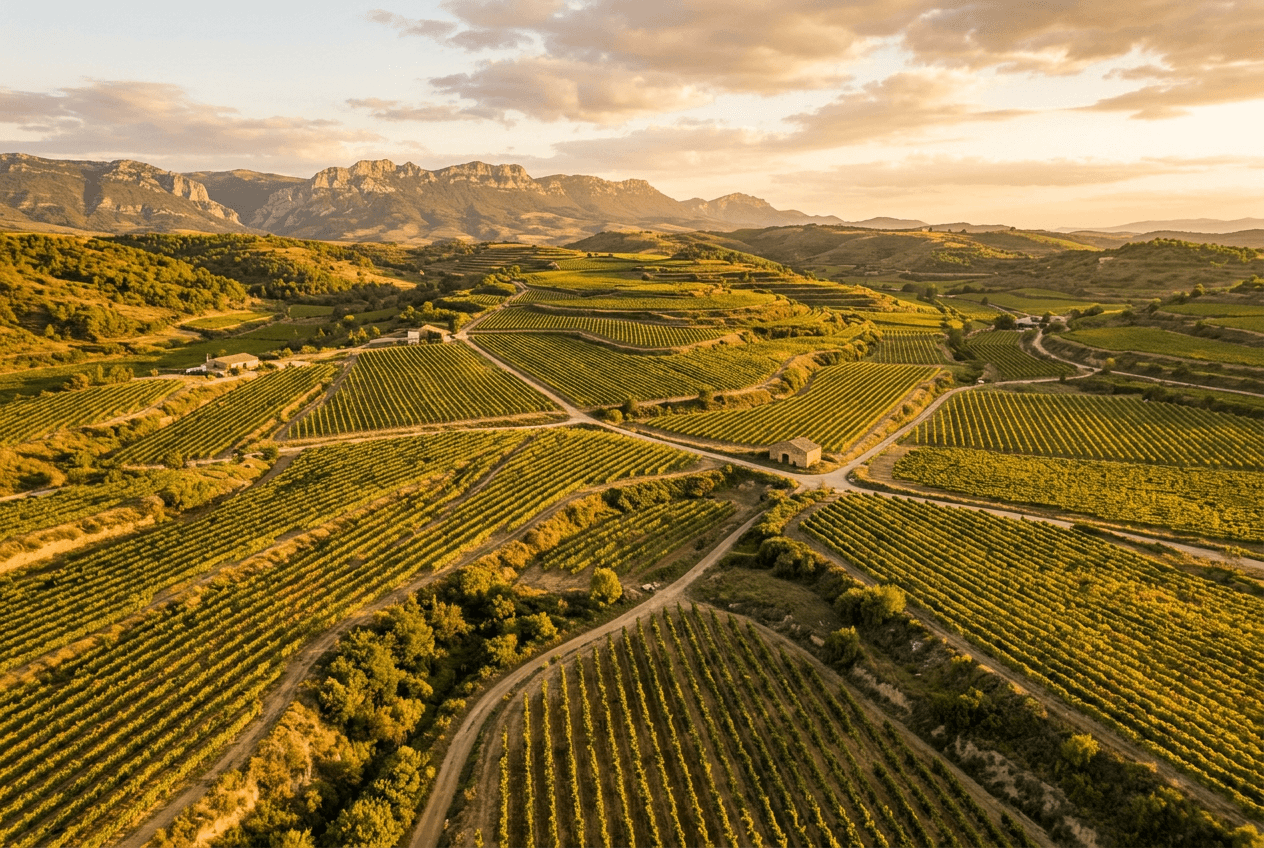
Tucked into the valley of the Ebro River in northern Spain, La Rioja has been producing wine since Roman times, but it’s the last century that turned it into Spain’s most internationally recognized wine region. Wine tasting in Rioja means more than swirling glasses of Tempranillo — it’s medieval villages perched above vineyard rows, century-old bodegas built into hillsides, and a handful of wineries so architecturally bold they’ve become destinations in their own right.
This guide covers where to base yourself, which bodegas to prioritize, how Rioja’s classification system actually works, and what to eat alongside the region’s famous reds. Whether you have one day or a full week, you’ll come away knowing how to plan a Rioja wine trip that goes well beyond a generic tasting room.
1. Getting to Rioja and Where to Base Yourself
La Rioja sits roughly 1.5 hours south of Bilbao and just over 3 hours north of Madrid by car, with the nearest airports at Bilbao and Vitoria.
Best Base Towns:
Logroño: The regional capital, with the widest choice of hotels, restaurants, and the famous Calle Laurel tapas street — the most practical base for a multi-day trip.
Haro: The historic heart of Rioja Alta, surrounded by some of the region’s oldest and most prestigious bodegas within easy walking or cycling distance.
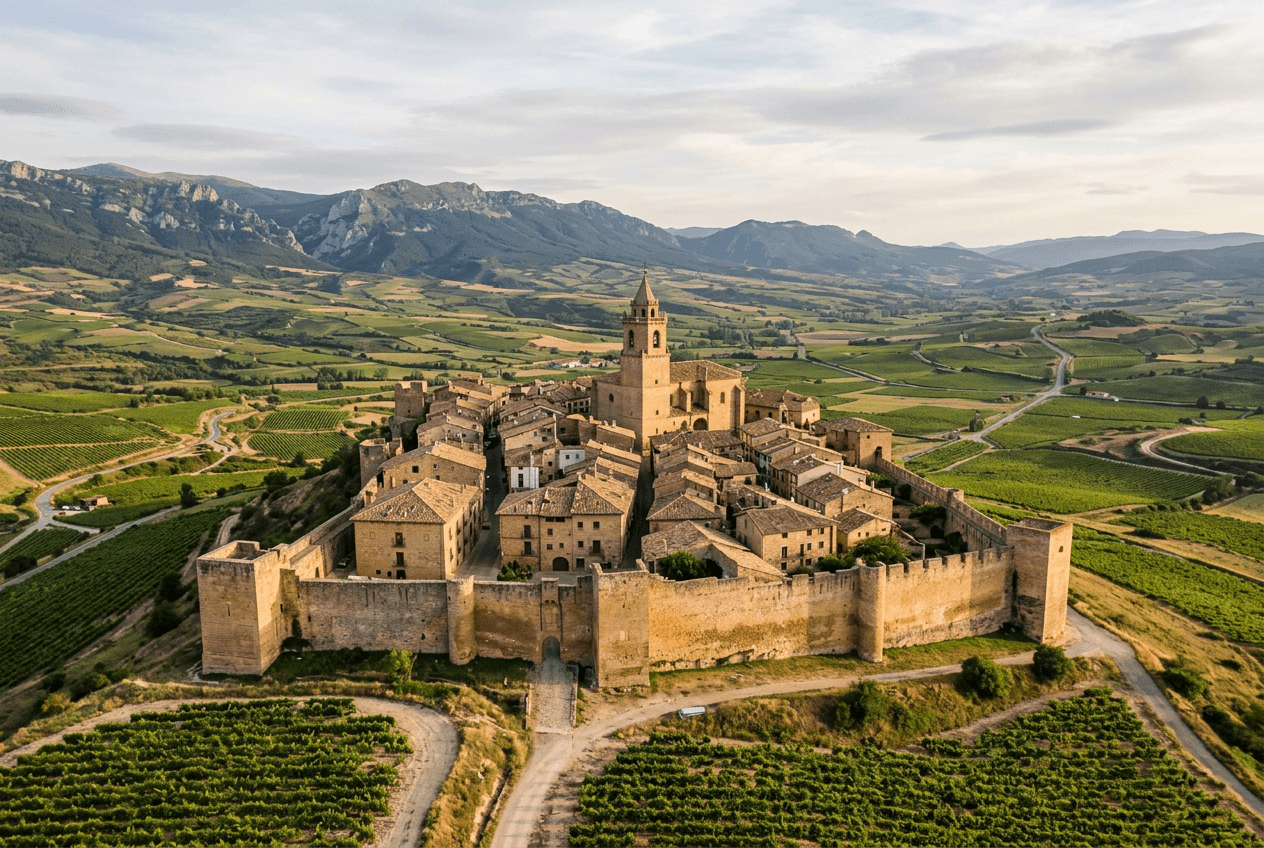
Laguardia: A walled medieval village in Rioja Alavesa, sitting above a warren of underground wine cellars carved beneath its own streets.
Insider Tips:
– A rental car is the most flexible way to visit, since many top bodegas sit on rural roads between villages.
– Several wineries run shuttle pickups from Logroño or Haro if you’d rather not drive between tastings.
– Distances are short — Haro to Laguardia is under 30 minutes, so it’s easy to base in one town and day-trip to the rest.
2. Understanding Rioja’s Wine: Grapes, Classifications, and Style
Rioja earned Spain’s first Denominación de Origen Calificada (DOCa) status in 1991, the country’s highest wine classification, and its rules shape almost everything you’ll taste here.
Key Things to Know:
Tempranillo: The dominant red grape, prized for its balance of red fruit, earthy spice, and ability to age gracefully in oak.
Aging categories: Wines are labeled Crianza (minimum 2 years aging, 1 in oak), Reserva (3 years, 1 in oak), and Gran Reserva (5 years, at least 2 in oak) — a useful shorthand for style and price.
Beyond red: Look for crisp white Rioja made from Viura, and increasingly fashionable rosado (rosé), both worth tasting alongside the reds.
Why It Matters:
Understanding the aging labels means you can choose a lighter, fruit-forward Crianza for an easy afternoon glass, or seek out a Gran Reserva for something more structured and complex to take home.
3. Top Bodegas and Wineries to Visit
Rioja is home to several hundred bodegas, ranging from family cellars to vast industrial operations — these are the names that come up again and again.
Don’t Miss:
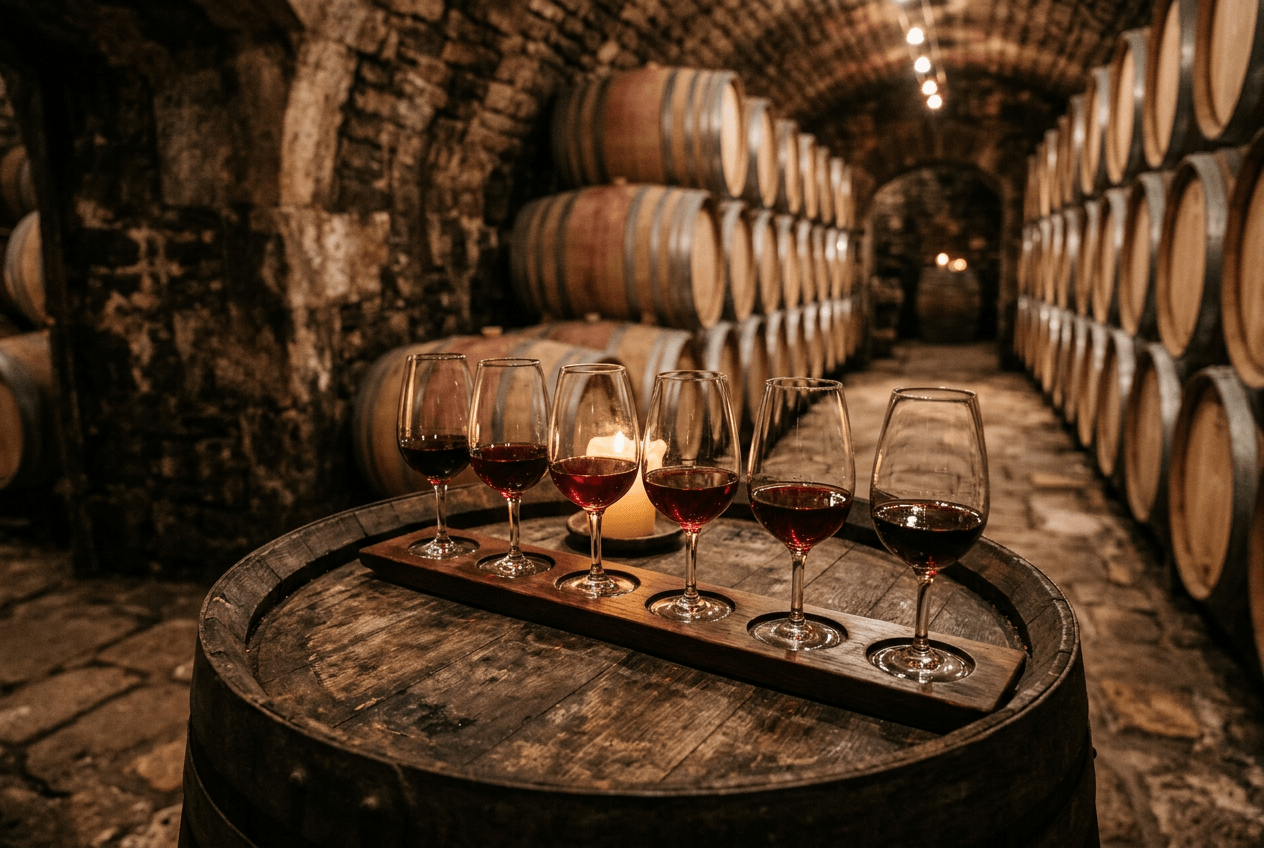
López de Heredia (Haro): One of Rioja’s oldest producers, still aging wine the traditional way in century-old oak barrels in candlelit cellars.
Bodegas Muga (Haro): A family-run winery known for its own in-house cooperage, where you can watch barrels being hand-crafted before a tasting.
Marqués de Murrieta (Logroño): One of the region’s founding estates, with vineyards surrounding a 19th-century château-style winery.
CVNE (Haro): A historic producer offering tours through atmospheric underground galleries stacked with aging bottles.
Practical Tips:
– Book tastings at least a few days ahead in summer — popular bodegas fill up, especially on weekends.
– Many smaller, family-run bodegas only open by appointment, so don’t expect to simply walk in.
– Spreading visits across both Rioja Alta and Rioja Alavesa in the same trip shows off the region’s range of styles.
4. Iconic Architecture: Star-Designed Wineries
Since the early 2000s, several Rioja producers have commissioned celebrity architects to redesign their wineries, turning tastings into architectural pilgrimages.
Standout Buildings:
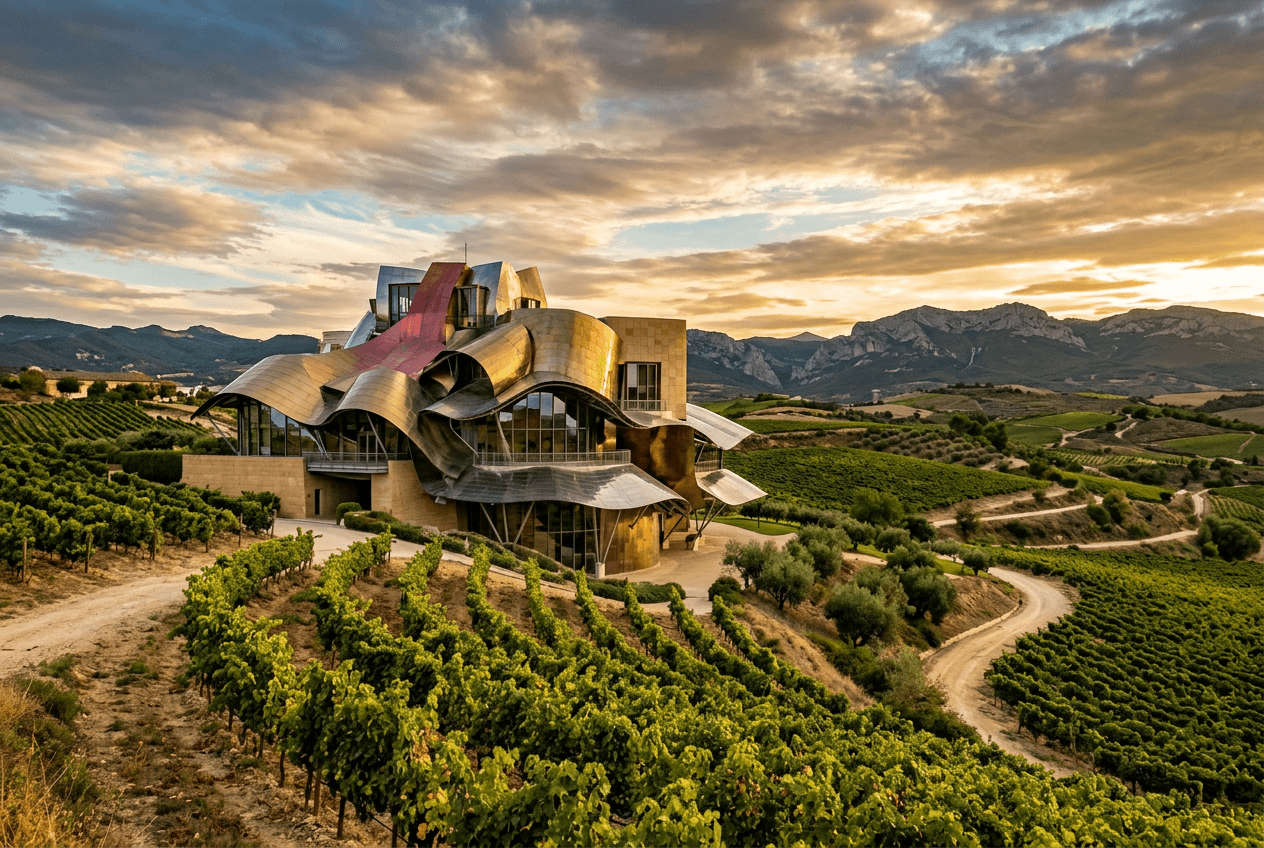
Marqués de Riscal (Elciego): Frank Gehry’s titanium-ribboned “City of Wine” is the region’s most photographed building, with a luxury hotel attached.
Ysios (Laguardia): Santiago Calatrava’s wave-roofed winery mirrors the silhouette of the Sierra de Cantabria mountains behind it.
Bodegas Baigorri (Samaniego): A minimalist glass cube on the surface conceals seven gravity-fed underground floors used for winemaking.
Why Visit:
These wineries pair serious wine with serious architecture, and most offer guided tours that explain both the building’s design and the winemaking process happening inside it.
5. Rioja Alta vs. Rioja Alavesa vs. Rioja Oriental
Rioja is split into three sub-zones, each with a distinct climate and wine style worth understanding before you plan a route.
The Three Zones:
Rioja Alta: The highest, coolest sub-zone around Haro, producing elegant, age-worthy wines — historically considered the region’s benchmark.
Rioja Alavesa: Just across the Ebro in the Basque Country, with chalky soils around Laguardia that yield fresher, more aromatic reds.
Rioja Oriental: The warmer, lower-lying zone to the east (formerly Rioja Baja), known for riper, fuller-bodied wines.
Tip: If you only have one day, focus on Alta and Alavesa — they sit close together and showcase the clearest contrast in style.
6. Wine Tasting Etiquette and What to Expect
Rioja’s tastings tend to be more structured and tour-based than a casual drop-in tasting room, so it helps to know the format in advance.
What a Visit Usually Includes:
A guided cellar tour: Most visits start with 30–45 minutes walking through aging cellars before reaching the tasting room.
Structured flights: Expect 2–4 wines poured in a set order, typically moving from white or rosado through Crianza to Reserva or Gran Reserva.
Food pairings: Many bodegas offer a pairing of local cheese, cured meats, or pintxos alongside the wines for an extra fee.
Practical Tips:
– Tours are frequently offered in both Spanish and English — confirm the language when booking.
– Spitting is completely normal and provided for at every tasting, especially if you’re visiting more than one bodega in a day.
– Tipping isn’t expected at wineries the way it is at restaurants, though it’s appreciated for exceptional guided tours.
7. Pairing Rioja Wine with Local Food
Rioja’s food culture is built around its wine, and the region’s signature dishes are designed to stand up to a glass of Tempranillo.
Don’t Leave Without Trying:
Chuletillas al sarmiento: Baby lamb chops grilled over burning vine cuttings, a Rioja Alta specialty often cooked right at the bodega.
Patatas a la riojana: A hearty stew of potatoes and chorizo, simmered until thick and deeply smoky.
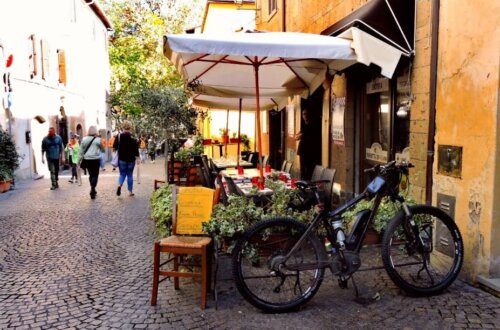
Pintxos on Calle Laurel: Logroño’s narrow tapas street, where small bars each specialize in one or two dishes — order a glass of house Rioja at each stop.
Why It Matters:
Pairing local food with the region’s wine at the source — rather than just tasting wine on its own — gives a far better sense of why these styles developed the way they did.
8. Beyond Wine: Towns and Sights Worth a Detour
A Rioja trip doesn’t have to be wall-to-wall tastings — the region’s towns and landscapes are worth a slower look too.
Worth Exploring:
Laguardia’s underground cellars: Beneath the medieval village’s streets lie dozens of family wine cellars carved directly into the rock, some open for tours.
San Millán de la Cogolla: A UNESCO World Heritage monastery complex considered the birthplace of written Spanish.
The Battle of Wine in Haro: Held every June 29th, locals douse each other in red wine in a centuries-old festival — chaotic, messy, and unforgettable if your dates align.
Tip: Climbing Laguardia’s town walls at sunset gives one of the best panoramic views over the vineyards of Rioja Alavesa.
9. Practical Tips: Tours, Reservations, and Getting Around
A little planning ahead makes the difference between a smooth Rioja trip and a frustrating one spent locked out of fully booked bodegas.
Quick Tip List:
– Book marquee wineries like Marqués de Riscal and Ysios weeks ahead in peak season (June–September).
– Designate a driver or book a guided tour with transport — drinking and driving laws in Spain are strictly enforced.
– Many bodegas close on Sundays and Mondays, so plan multi-bodega days around a Tuesday–Saturday schedule.
– Cycling between Haro-area bodegas is a popular and scenic alternative to driving, with several rental shops in town.
10. Best Time to Visit Rioja
Timing your trip affects both the scenery and what’s happening at the wineries themselves.
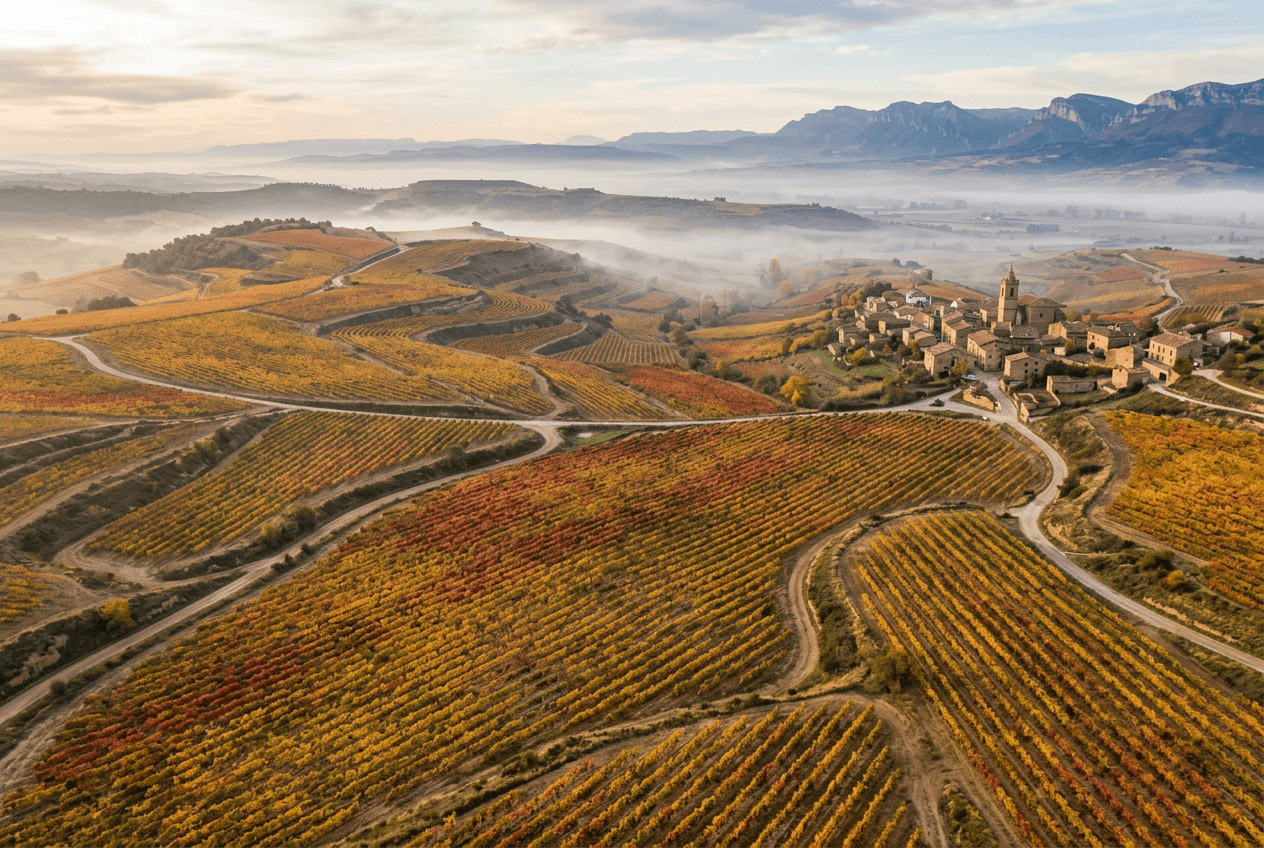
September–October: Harvest season (vendimia), when bodegas are at their busiest and most atmospheric, with grapes being picked and pressed.
Late June: The Haro Wine Battle and warm, golden vineyards make for a lively, photogenic visit.
Spring (April–May): Mild weather and green vineyards before the summer crowds arrive.
Winter: Quiet and cold, but a good time for cellar-focused tours and avoiding any lines at the marquee wineries.
Conclusion
From candlelit century-old cellars in Haro to Frank Gehry’s titanium curves rising over the vines in Elciego, Rioja packs an unusual range of wine experiences into a small, easily explored region. Its strict classification system, distinct sub-zones, and food culture built around the wine itself make it one of Europe’s most rewarding regions to visit slowly, glass by glass.
Ready to plan your Rioja wine tasting trip? Whether you’re chasing architectural icons, family-run cellars, or simply a perfect glass of Reserva paired with grilled lamb on Calle Laurel, Rioja rewards travelers who take their time. Book a tasting, rent a car, and let the Ebro valley’s vineyards do the rest.