Hiking Trails in Triglav National Park: Slovenia’s Ultimate Outdoor Adventure Guide
June 21, 2026/
Hiking Trails in Triglav National Park: Slovenia’s Ultimate Outdoor Adventure Guide
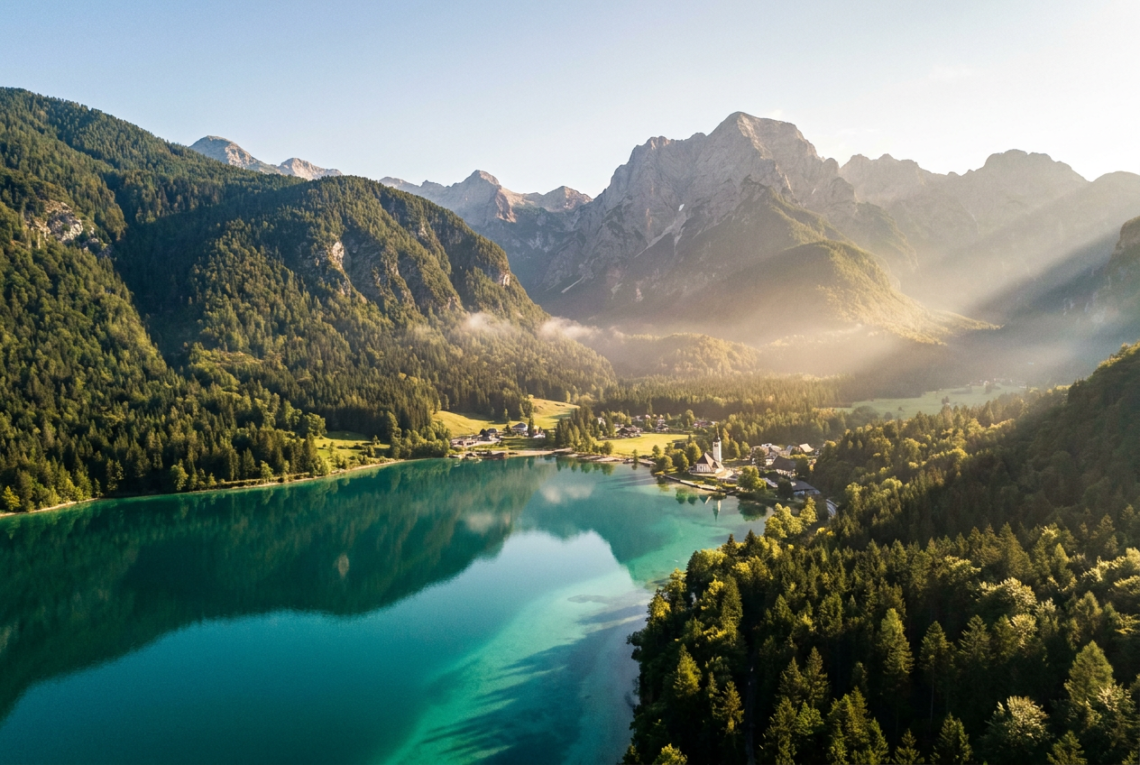
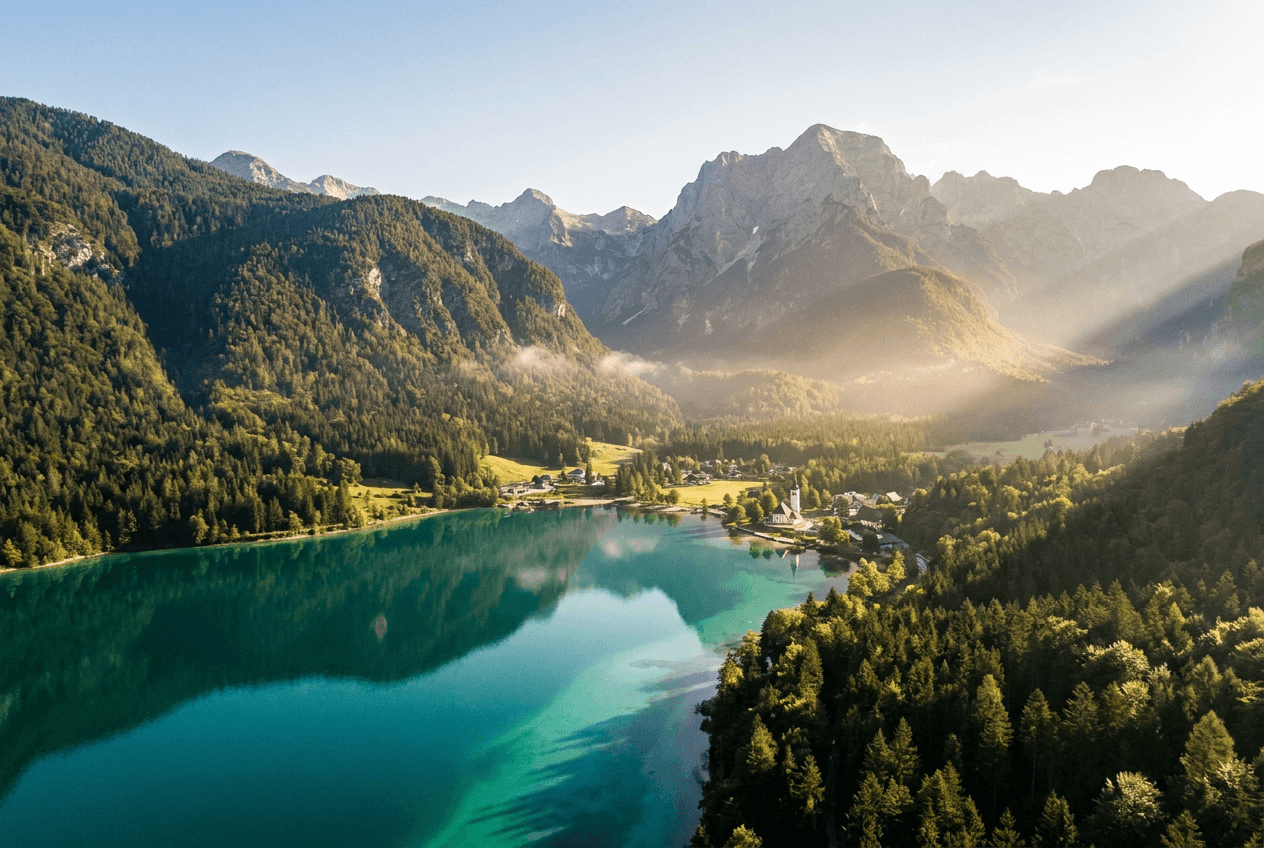
Covering nearly 4% of Slovenia’s entire territory, Triglav National Park is the country’s only national park and the crown jewel of the Julian Alps. Named after Mount Triglav, Slovenia’s highest peak and a national symbol, the park is a paradise of turquoise alpine lakes, dramatic limestone peaks, thundering waterfalls, and trails ranging from gentle lakeside strolls to demanding multi-day treks. Yet with hundreds of kilometers of marked paths fanning out from Bohinj, Bovec, and Kranjska Gora, deciding which hiking trails in Triglav National Park to prioritize can feel daunting.
This guide breaks down the best hikes in the park, from easy family-friendly walks to the legendary multi-day trek through the Triglav Lakes Valley, along with practical advice on permits, huts, weather, and the best time to go. The park was established in 1981 and today protects not just Mount Triglav itself but an entire ecosystem of glacial valleys, karst plateaus, and some of the cleanest rivers in Europe — the Soča River, famous for its almost unreal turquoise color, has its source within the park’s boundaries. By the end of this guide, you’ll have everything you need to plan an unforgettable trip into Slovenia’s mountain heartland.
1. Getting to Triglav National Park and Where to Base Yourself
Triglav National Park sits in northwestern Slovenia, easily reached within 1.5–2 hours from Ljubljana by car or bus.
Best Base Towns:
Lake Bohinj: The quieter, less touristy alternative to Lake Bled, and the most central base for trails into the high mountains and the Triglav Lakes Valley.
Kranjska Gora: A ski-resort town in summer mode, well-placed for trails around the Vrata Valley and the park’s northern reaches.
Bovec: On the park’s western edge along the Soča River, ideal for combining hiking with rafting and canyoning.
Insider Tips:
– Public buses run from Ljubljana to Bohinj and Bovec, but a rental car gives far more flexibility for trailhead access.
– Book accommodation in Bohinj well ahead in July and August, when the park sees its highest visitor numbers.
– Mountain huts (koče) can be reserved online — essential if you’re planning a multi-day route.
2. Easy and Family-Friendly Trails
Not every hike in Triglav National Park demands crampons and a head for heights — several trails are accessible to most fitness levels.
Top Picks:
Lake Bohinj Loop: A flat, well-marked 12-kilometer path circling the lake, with views of the surrounding peaks and several swimming spots in summer.
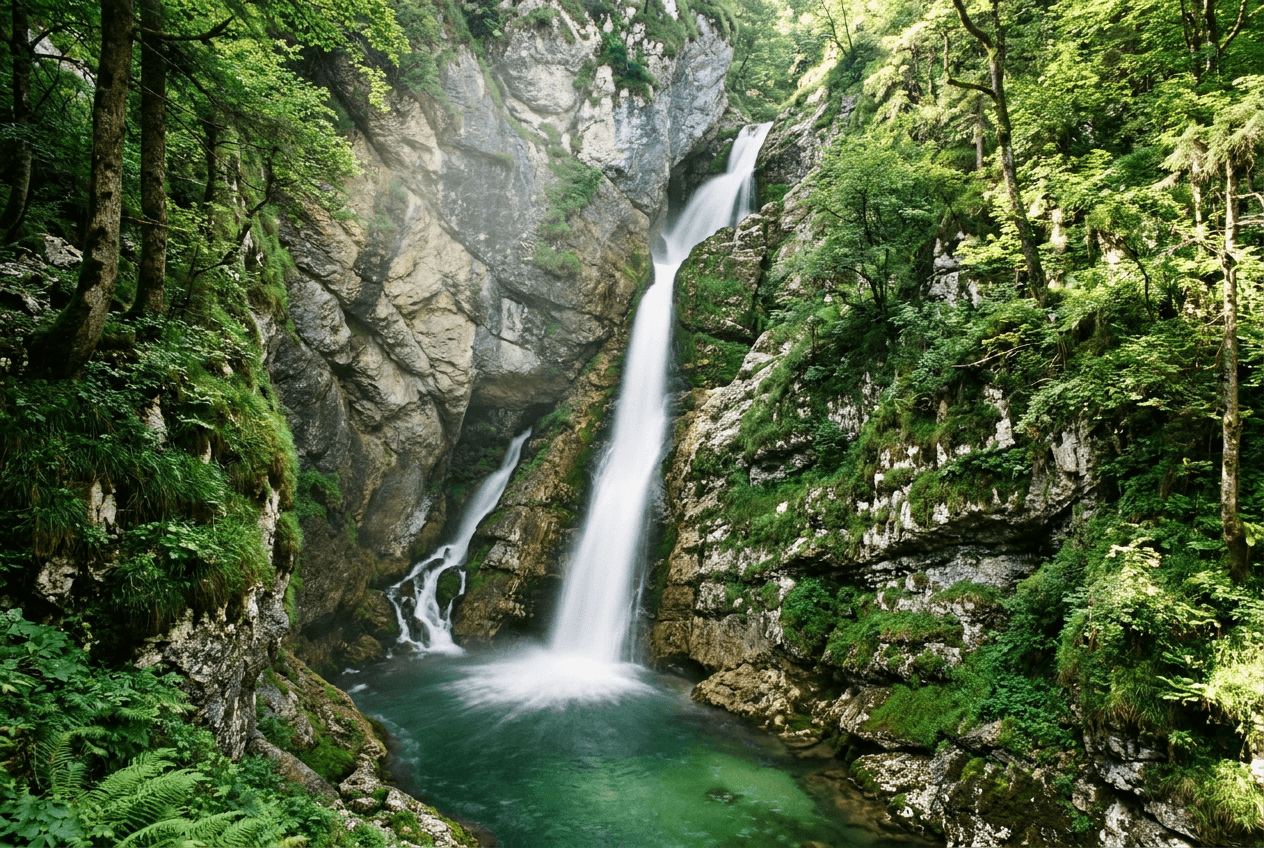
Savica Waterfall Trail: A short but steep 1-hour round trip from the lake’s western end to a dramatic 78-meter waterfall plunging through a limestone gorge.
Voje Valley Walk: A gentle hike through a glacial valley dotted with traditional hay racks and grazing cattle, ending at the Mostnica Gorge.
Why Visit:
These trails offer a genuine taste of the park’s scenery — alpine water, dense forest, and dramatic peaks — without requiring technical hiking experience or a full day on the trail.
3. Moderate Day Hikes
For hikers wanting more elevation and longer distances without committing to a multi-day trek, several moderate routes climb into the park’s high alpine terrain.
Recommended Routes:
Komna Plateau: A 5–6 hour round trip from Bohinj climbing through forest to a high karst plateau with sweeping views back over the lake.
Krn Lake: A strenuous but rewarding day hike to one of Slovenia’s highest lakes, framed by Mount Krn’s dramatic rock face.
Vogel to Šija Ridge: Take the Vogel cable car up from Bohinj, then hike the ridge for panoramic views of the lake and the Julian Alps without the full elevation grind on foot.
Practical Tips:
– Start early to avoid afternoon thunderstorms, common in the high mountains during summer.
– Carry more water than you think you’ll need — there are few reliable sources above the treeline.
– Trekking poles help considerably on the steep, loose-rock descents typical of these routes.
4. The Classic Multi-Day Trek: Triglav Lakes Valley
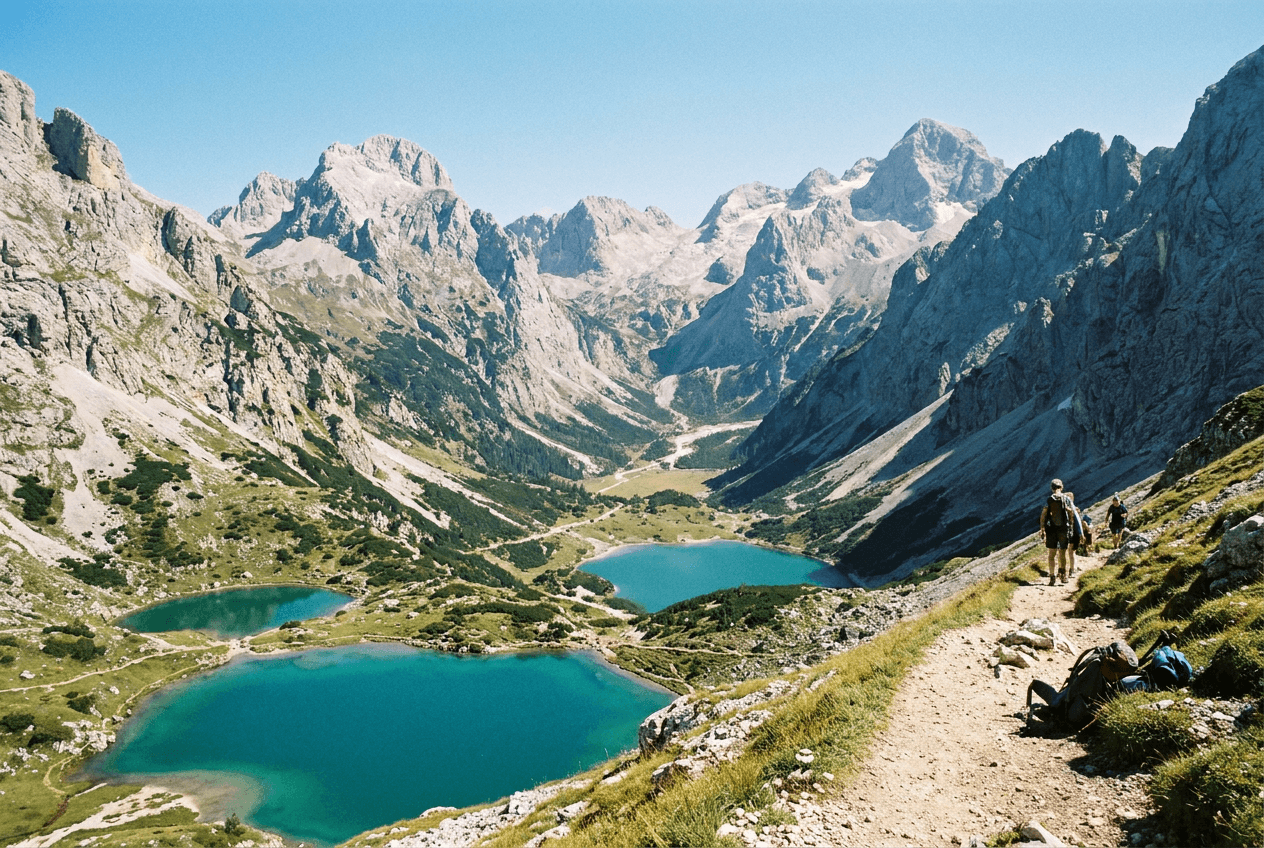
The Triglav Lakes Valley (Dolina Triglavskih jezer) is the park’s signature multi-day route, threading through a chain of glacially carved lakes set against towering limestone walls.
Route Overview:
Duration: 2–4 days depending on pace and detours.
Difficulty: Moderate to strenuous, with significant elevation gain and some exposed sections.
Typical Start: From Lake Bohinj via the Komarča cliff path, or from the Vrata Valley side for a traverse route.
Why Hike It:
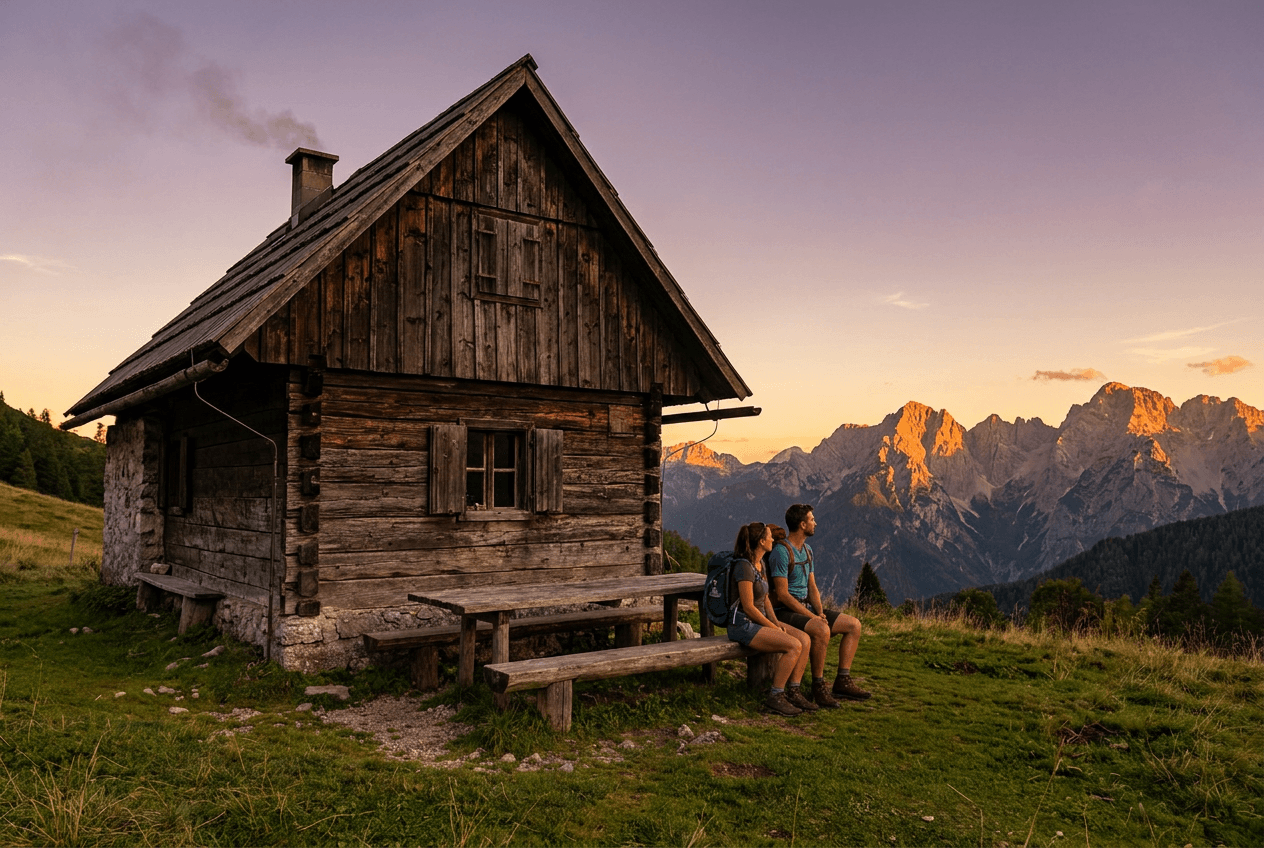
Few trails in the Alps pack in as much variety — dense pine forest gives way to bare karst terrain, then a string of impossibly clear lakes, before the valley opens onto views of Mount Triglav itself. Staying overnight in one of the valley’s mountain huts is part of the experience, offering simple meals and a chance to meet hikers from across Europe.
5. Summiting Mount Triglav: Routes, Difficulty, and Huts
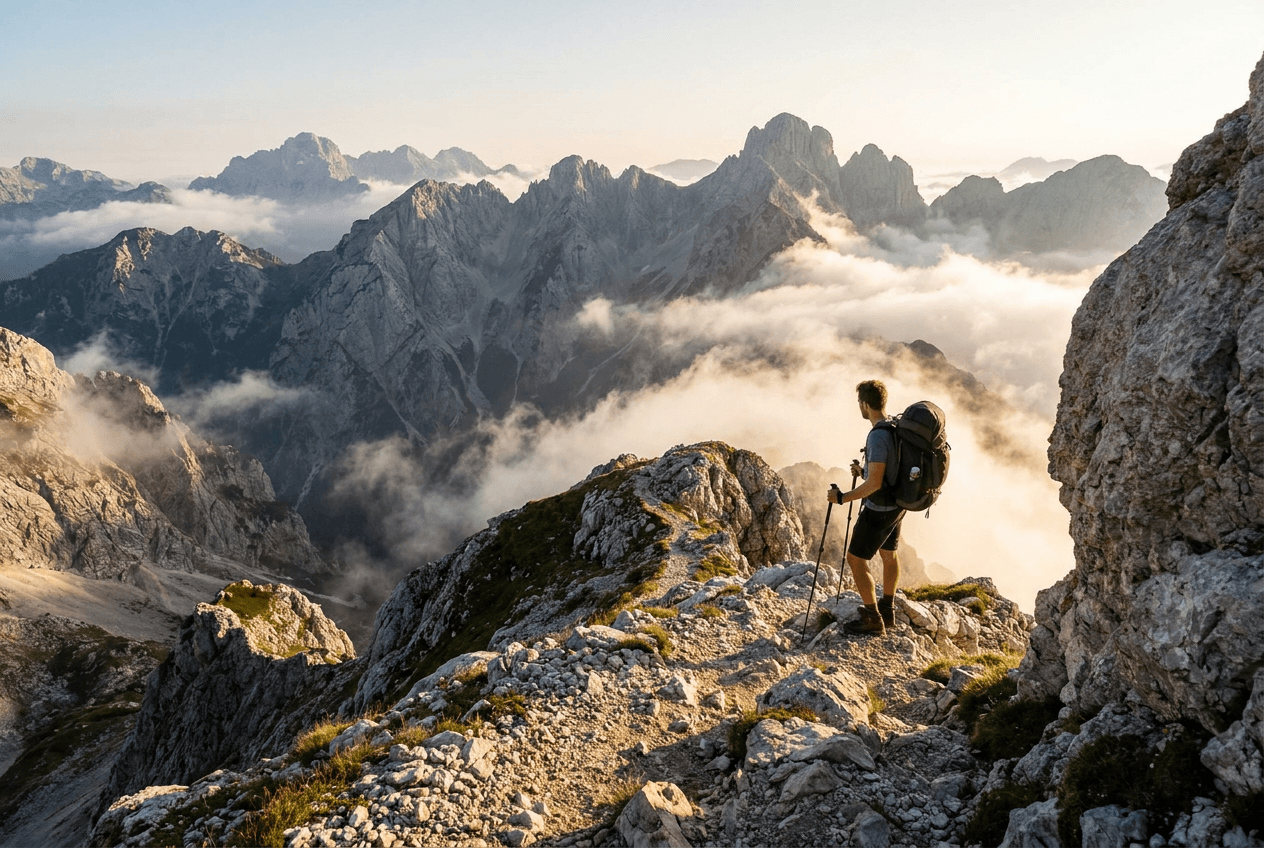
At 2,864 meters, Mount Triglav is Slovenia’s highest peak and something of a national rite of passage — many Slovenians aim to summit it at least once in their lives.
Main Routes:
Via Vrata Valley (Tominškova Pot): The classic, most direct route, demanding via ferrata sections and a head for exposed terrain near the summit.
Via Triglav Lakes Valley: A longer but slightly less technical approach, often combined with the lakes trek over 3–4 days.
Via Pokljuka: A quieter, more gradual approach favored by hikers wanting to avoid the busiest trails.
Essential Gear and Huts:
– A via ferrata kit (harness, helmet, lanyard) is strongly recommended, and rentable in Bohinj and Kranjska Gora.
– Triglavski Dom and Kredarica Hut are the two key huts near the summit — book both well in advance for summer ascents.
– The standard climbing season runs late June through September; snow and ice can make the route dangerous outside this window.
6. Best Viewpoints and Photo Spots
Even hikers not attempting the summit will find no shortage of dramatic viewpoints throughout the park.
Komarča Cliff Path: Overlooks both Lake Bohinj and the Savica Waterfall gorge from a dizzying vantage point.
Vogel Ski Station: Accessible by cable car, with panoramic views over Bohinj and the surrounding peaks even for non-hikers.
Mangart Saddle Road: One of Slovenia’s highest paved roads, offering sweeping views into Italy without a single step of hiking.
Tip: Early morning light is best for photography in the lakes valley, before clouds typically build over the peaks by midday.
7. Wildlife and Alpine Flora to Look Out For
Triglav National Park’s varied terrain supports a rich range of Alpine wildlife and plant life.
Chamois and ibex: Commonly spotted on rocky slopes above the treeline, especially around the Triglav Lakes Valley.
Marmots: Frequently heard before seen, their sharp warning whistles are a constant soundtrack on high-altitude trails.
Alpine flowers: Look for edelweiss, gentian, and Zois’ bellflower (Slovenia’s national flower) blooming in rocky meadows through July.
Hikers are asked to stay on marked trails to protect this fragile alpine ecosystem, which recovers slowly from foot traffic.
8. Practical Tips: Permits, Weather, Gear, and Mountain Huts
A little preparation goes a long way in Triglav National Park’s high-mountain terrain.
Quick tip list:
– No special permit is required to hike in the park, though parking fees apply at some trailheads.
– Check the Slovenian Mountaineering Association’s hut and trail status pages before multi-day trips — conditions change quickly.
– Weather can shift fast even in summer; pack a waterproof shell and warm layers regardless of the forecast.
– Mountain huts serve simple, hearty meals (goulash, soup, štruklji) and offer dorm-style beds — cash is often preferred.
– Mobile coverage is patchy above the treeline; download offline maps before setting out.
9. Best Time to Visit and Seasonal Considerations
Timing makes a significant difference to both conditions and crowds in Triglav National Park.
Late June–September: The main hiking season, with huts open and snow generally cleared from high routes.
July–August: Warmest and busiest, with wildflowers in full bloom but also the highest chance of afternoon thunderstorms.
September: Quieter trails, cooler temperatures, and excellent visibility — many experienced hikers consider it the ideal month.
Outside this window: Snow and ice make high routes dangerous without mountaineering experience and equipment.
10. Soča Valley Trails on the Park’s Western Edge
The western side of Triglav National Park, around Bovec and Kobarid, offers a different character of hiking — steep gorges, turquoise rivers, and trails layered with World War I history.
Worth Exploring:
Velika Korita Soče: A short, easy walk along the Soča River’s “great gorge,” where the water’s color borders on unbelievable, especially after snowmelt.
Mangart and Wartime Trails: Routes around Mount Mangart pass abandoned WWI fortifications and trenches from the Isonzo Front, adding a historical layer to the alpine scenery.
Krnsko Lake via Lepena Valley: An alternative, quieter approach to Krn Lake from the park’s western side, popular with hikers based in Bovec.
Why Visit:
Combining a few days around Bovec with time in Bohinj gives a fuller picture of the park — and Bovec’s whitewater rafting and canyoning operators make it easy to balance hiking days with river adventures.
Conclusion
From the gentle shoreline path around Lake Bohinj to the exposed, via-ferrata-assisted scramble to Mount Triglav’s summit, Triglav National Park offers some of the most rewarding and varied hiking in the Alps. Its combination of glacial lakes, dramatic limestone peaks, and well-maintained mountain huts makes it equally suited to a relaxed day trip or an ambitious multi-day trek.
Ready to plan your hiking trip to Triglav National Park? Whether you’re after an easy lakeside walk, a challenging day hike to a high alpine lake, or the bucket-list ascent of Slovenia’s highest peak, the park’s trails are waiting. Book a hut, pack your boots, and start planning — the Julian Alps are best experienced on foot.